
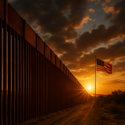

Border security has re-emerged as one of the most urgent policy issues in the United States, following years of debate over how to manage record numbers of migrant crossings and strained resources in major cities.
For much of the past decade, efforts to increase border enforcement were frequently met with criticism, with opponents labeling such measures as xenophobic or unnecessary. Residents and officials in southern border communities reported that they felt the impact of increased crossings, while cartels and smuggling networks operated freely in certain regions.
Political dynamics shifted when Donald Trump returned to the White House as the 47th president and directed federal agencies to more aggressively enforce existing immigration laws. The administration’s actions included expanding physical barriers, increasing personnel, and limiting the release of migrants into the country during asylum processing.
Following these policy changes, several Democratic leaders—some of whom previously dismissed concerns over illegal crossings—publicly called for enhanced border security. The shift came after receiving large influxes of migrants in cities such as New York, Chicago, and Boston. Local officials in those cities declared states of emergency, citing overwhelmed shelter systems and strained municipal budgets.
Policy analysts note that while the federal government previously stated the border was “secure,” the arrival of migrant buses in sanctuary jurisdictions prompted a new wave of calls for stricter enforcement. The change in stance coincided with increased public attention as northern cities sought federal assistance to manage the arrivals.
Data from the Centers for Disease Control and Prevention and the Department of Justice show that fentanyl overdoses have become a leading cause of death for U.S. adults between ages 18 and 45, intensifying scrutiny on border control and illegal drug trafficking routes.
In Washington, immigration has shifted from a political talking point to a policy priority. Former critics of physical barriers have begun advocating for “enhanced physical infrastructure,” a phrase that mirrors earlier proposals to expand the border wall—a policy previously associated with the Trump administration.
Political analysts say the shift reflects a broader recalibration of party positions. While supporters of strict enforcement argue that borders are essential to national security and stability, opponents argue that policy changes should also focus on humanitarian concerns and improvements to the legal immigration system.
As border enforcement becomes a bipartisan talking point, analysts note that the renewed focus on security is driven not only by policy concerns, but also by political consequences felt in states far from the southern border.
Leave a Comment